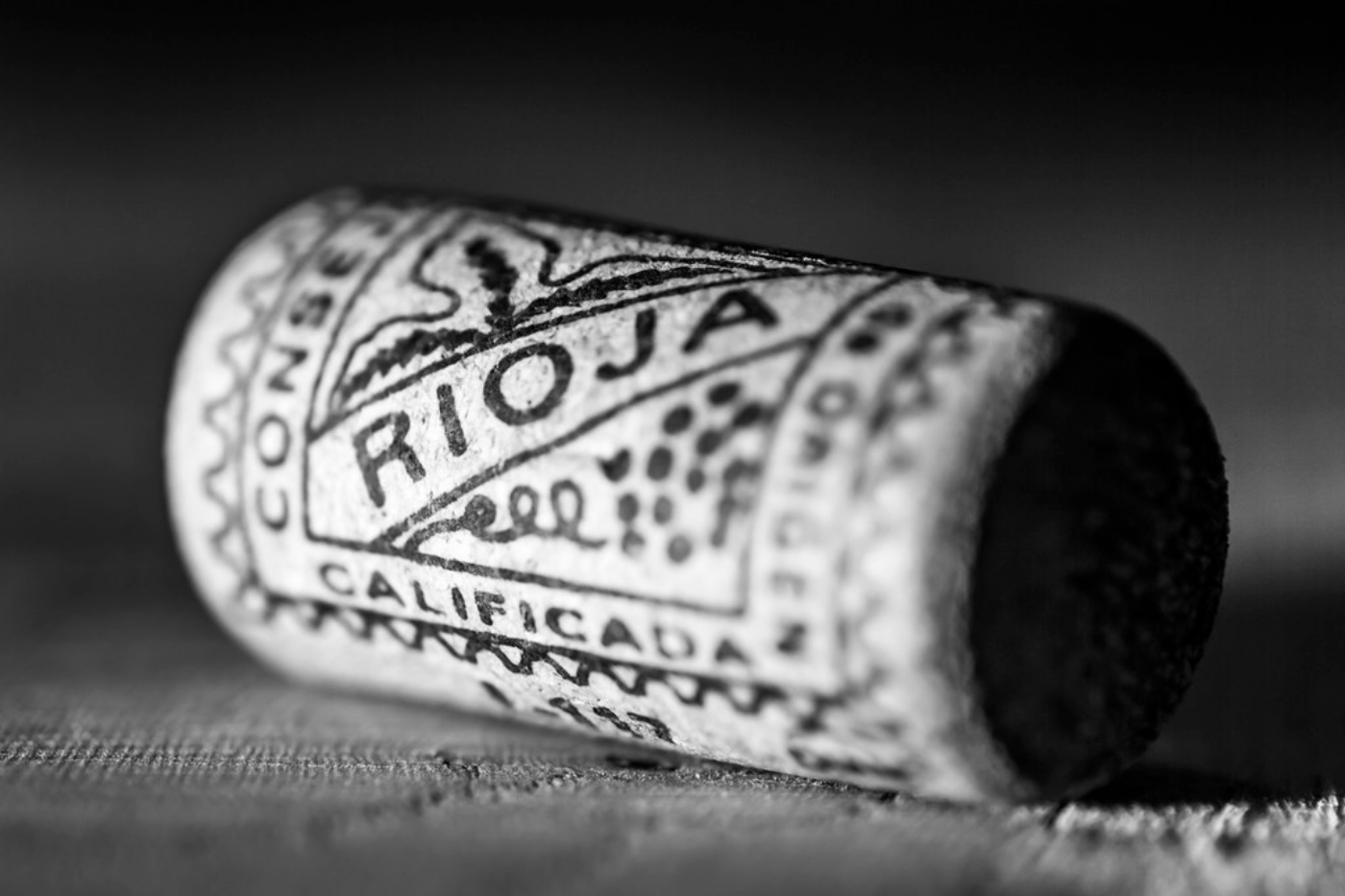
Spanish wine regions yield some of the finest wines in the world. Five of the most popular Spanish wine districts form the backbone of the wine route Spain is so famous for. These five regions are Rioja, Rueda, Ribera del Duero, Cava and Rias Baixas.
Highlights of these Spanish wine regions include aged reds of Rioja, crisp whites of Rueda, bold reds of Ribera del Duero, sparkling wines of Cava and aromatic whites of Rias Baixas.
Where are the five most popular Spanish wine regions?
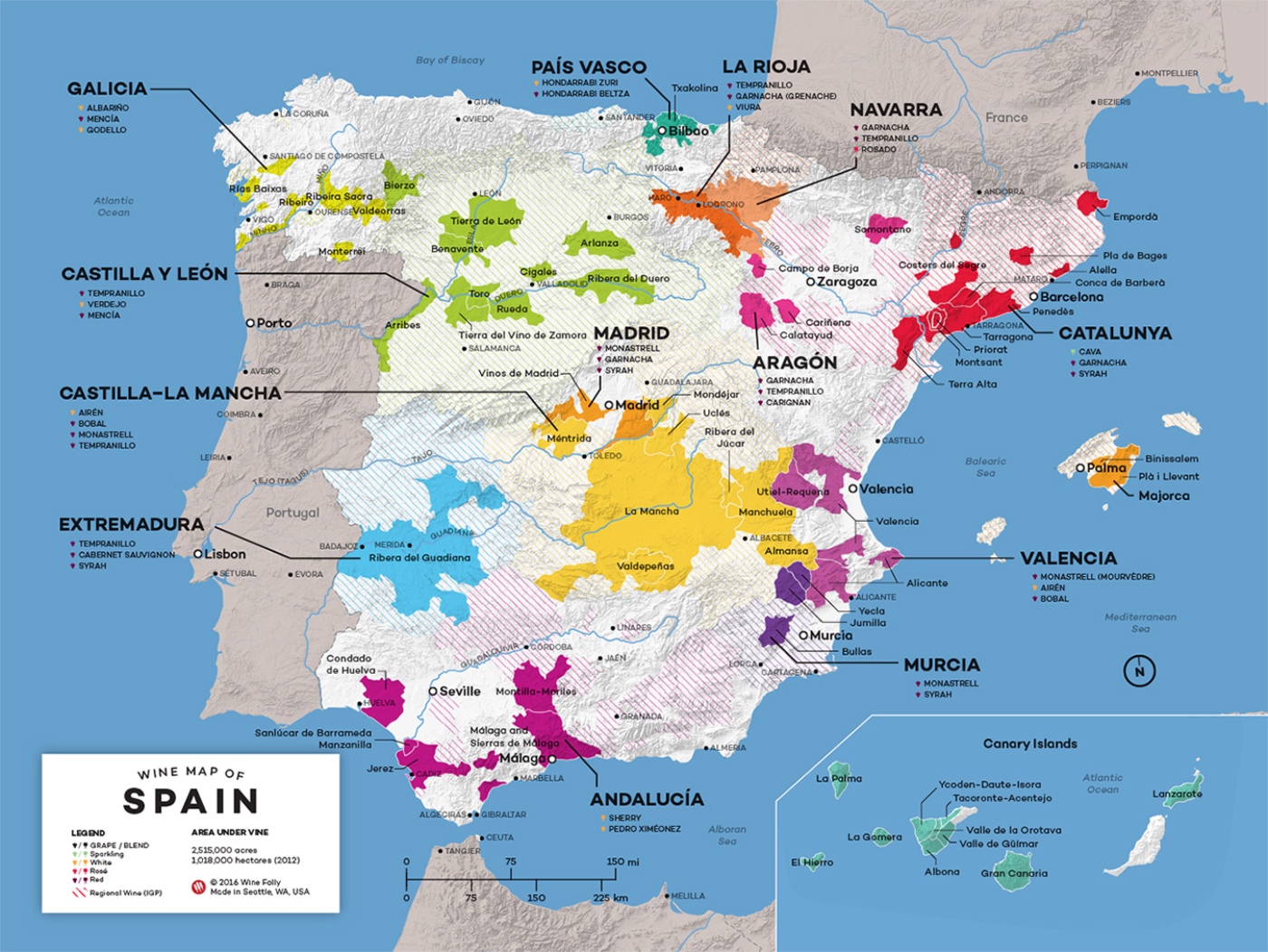
Some of the best vineyards in Spain are located in the north of the country, and five extremely popular Spanish wine districts span from Rías Baixas in Galicia in northwestern Spain, right across to the heart of Cava production in Catalonia in the northeast. Transitioning from the Atlantic to the Mediterranean, these five Spanish wine regions create a diversity of wine styles. Working from northwest to northeast, these regions are:
- Rias Baixas
- Rueda
- Ribera del Duero
- Rioja
- Cava
Why has Rioja earned international fame for its red wines?
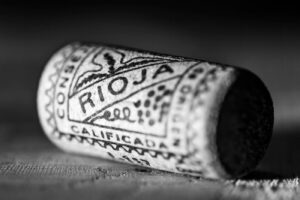
Rioja is the most internationally celebrated of all the Spanish wine regions. Nestled in the north along the Ebro River and shielded by the Cantabrian Mountains, the Rioja region is renowned for elegant red wines built around the Tempranillo grape, which are often blended with Garnacha, Graciano and Mazuelo varieties.
What makes Rioja so special is its tradition of extended oak ageing. This produces wines with signature notes of vanilla, leather, dill and dried fruit. The classification system is based on ageing time and provides a reliable indicator of style and quality. They range from fresh young wines through to rich, developed Gran Reservas that age gracefully over decades.
- History – winemaking in Rioja dates back over 2,000 years, introduced by the Phoenicians and refined under Roman rule. The modern style emerged in the 1860s when French winemakers fleeing an epidemic brought Bordeaux techniques, including small oak barrels, which transformed Rioja into a benchmark for fine red wine.
- Subzones – Rioja Alta (elegant, structured), Rioja Alavesa (bright, mineral), and Rioja Oriental (riper, fuller-bodied). Each contributes a different character to blends.
- Grape varieties – Tempranillo dominates, followed by Garnacha, Graciano and Mazuelo for reds, with Viura (Macabeo), Garnacha Blanca and Malvasía for whites.
- Climate and soils – a blend of Atlantic and Mediterranean influences, with calcareous clay, ferrous clay, and alluvial soils that vary by subzone and contribute to the region’s diversity of styles.
- Wines produced – over 90% of output is red wines, alongside crisp whites and refreshing rosados.
- Classifications – ageing tiers are strictly regulated; Crianza 2 years total with 1 in oak, Reserva 3 years with 1 in oak and Gran Reserva 5 years with at least 2 in oak. Traditional American oak gives vanilla notes, whilst modern French oak adds structure.
- DO status – awarded Spain’s first Denominación de Origen Calificada (DOCa) in 1991 which is the country’s highest classification.
Entry-level Rioja
The following three entry-level bodegas provide a different facet of the Rioja region:
- Milenrama is a small, contemporary producer based in Haro, Rioja Alta. It makes fresh, fruity, Tempranillo-led wines that are modern in style with restrained oak.
- Murillo Viteri is a family-run small winery in Rioja Alta with a big heart, producing classically structured wines across the Crianza, Reserva and Gran Reserva tiers, providing great value.
- Martínez Lacuesta is one of the region’s historic family wineries, founded in 1895 in Haro. It is renowned for producing elegant, age-worthy wines that showcase the true character of the region.
Rioja Grand Marques
The following five names sit proudly at the top table of Rioja’s hierarchy of vineyards in Spain:
- Marqués de Murrieta was founded in 1852 and is one of the region’s genuinely groundbreaking houses. It is celebrated for its long-aged Castillo Ygay Gran Reserva from its single estate near Logroño.
- CVNE was founded in Haro in 1879 and owns a stable of iconic grande marques including Monopole Clasico Reserva, Imperial, Viña Real and the single-estate Contino Reserva.
- Viña Tondonia is a quintessential, long-aged Rioja made by the López de Heredia family for 148 years. Their complex red is aged for six and a half years in cobwebbed cellars in Haro since 1877.
- Macán is the polished collaboration between Vega Sicilia and the Rothschild family in Rioja Alavesa, aged for 14 months in new French oak barrels, producing an exceptional, refined wine.
- La Rioja Alta, SA was founded in Haro in 1890 and is the benchmark for elegant, age-worthy classical Rioja. These include Viña Ardanza and the legendary Gran Reservas 904 and 890.
Which wines are produced in Rueda?
Rueda lies on the high plateau of Castilla y León in north-central Spain and is one of the country’s premier white wine regions. The area is defined by its hero grape, Verdejo, which thrives in Rueda’s continental climate of hot days, cold nights and stony, well-drained soils.
Rueda wines are prized for their vibrant freshness, citrus zest, herbal lift and distinctive bitter-almond finish. High altitude and large daily temperature shifts preserve natural acidity and produce aromatic, lively whites that have become a benchmark for Spanish white wine.
- History – vine-growing in Rueda dates back to the 11th century, when monks planted vineyards under King Alfonso VI. The region produced oxidative, sherry-like fortified wines until the 1970s, when cool fermentation techniques were introduced.
- Subzones – Rueda has no formal subzones, though vineyards are spread across the provinces of Valladolid, Segovia and Ávila. The highest-altitude sites produce the most aromatic wines.
- Grape varieties – Verdejo is the flagship grape, joined by Sauvignon Blanc, Viura and Palomino Fino. Tempranillo dominates red production.
- Climate and soils – a harsh continental climate with hot summers, cold winters and minimal rainfall. Stony, gravelly, well-drained soils over limestone bedrock encourage deep root growth and mineral expression.
- Wines produced – crisp, unoaked Verdejo dominates production, alongside barrel-fermented Verdejo, Sauvignon Blancs, sparkling wines and a small quantity of Tempranillo-based reds.
- Classifications – wines are labelled by grape composition: Rueda Verdejo (min. 85% Verdejo), Rueda Sauvignon (min. 85% Sauvignon Blanc) and Gran Vino de Rueda for premium old-vine bottlings.
- DO status – granted Denominación de Origen status in 1980, Rueda became the first DO in Castilla y León. Rules have been tightened to protect Verdejo’s identity.
Entry-level Rueda
One wine really stands out if you are looking for an accessible, good-value wine from the Rueda region:
- Vega La Luna – a refreshingly lively wine from a small boutique winery in Castilla and Ribera that uses the best verdejo grapes. It has a nicely balanced acidity, underlying minerality and rich ripe lemon.
Rueda Grand Marque
One of the grandest marques of this region is also a leader in the Appellation of Origin Rueda:
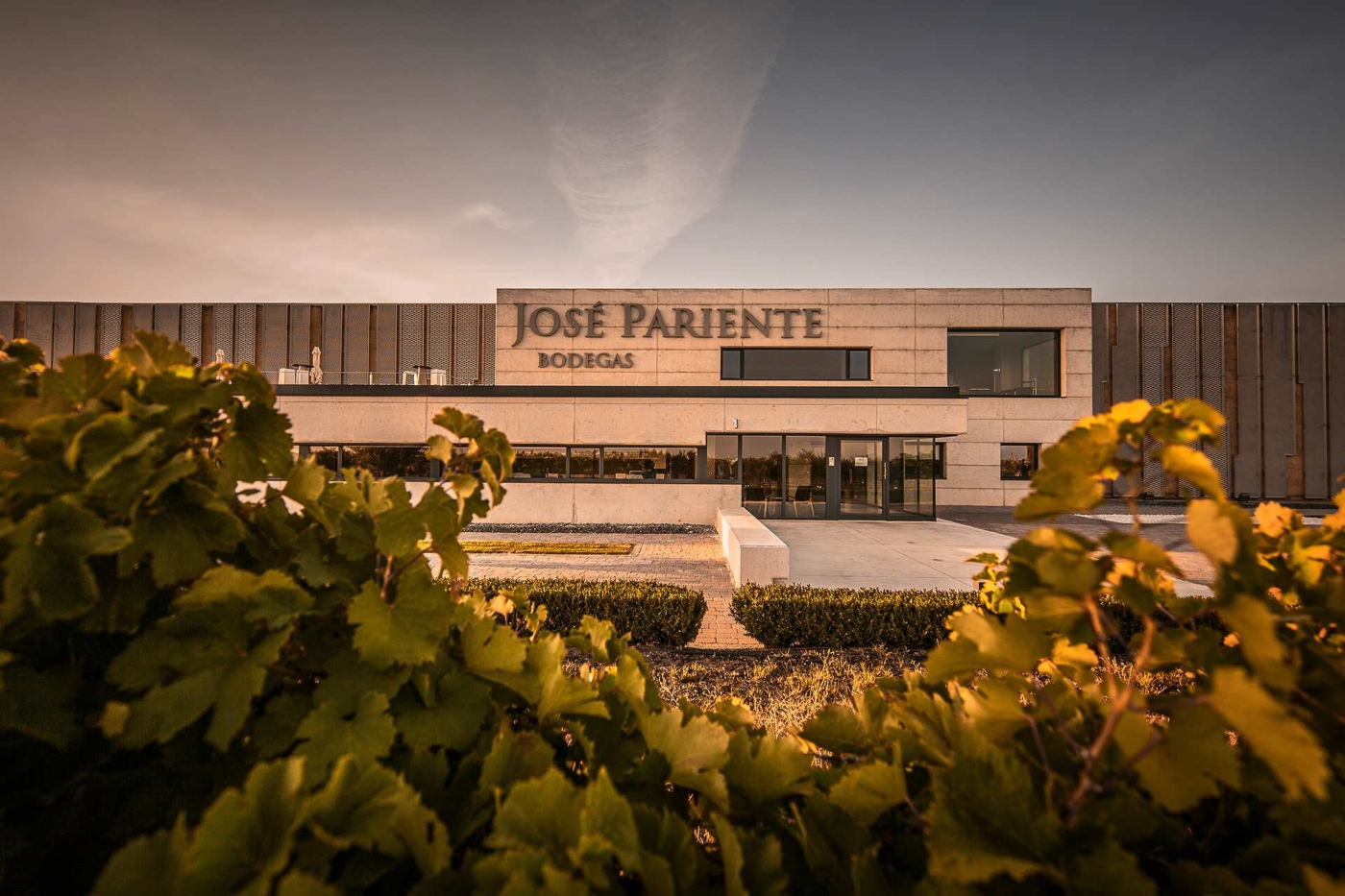
- José Pariente – this wholly owned family winery excels in using organic viticulture to produce exceptional wines from two grape varieties: Verdejo and the native grape, Sauvignon Blanc.
Which wines is the Ribera del Duero region known for?
Ribera del Duero stretches along the Duero River in northern Spain’s Castilla y León region. It is responsible for producing some of the country’s most powerful and prestigious red wines. The region sits at extreme altitudes of 700 to 1,000 metres. Here, intense sunlight, cold nights and poor limestone-clay soils create wines of exceptional concentration, structure and longevity.
Ribera del Duero is built almost entirely around Tinto Fino, which yields denser, darker, more tannic wines than Rioja. These excellent wines are known for deep blackberry and plum fruit, solid tannins and impressive ageing potential.
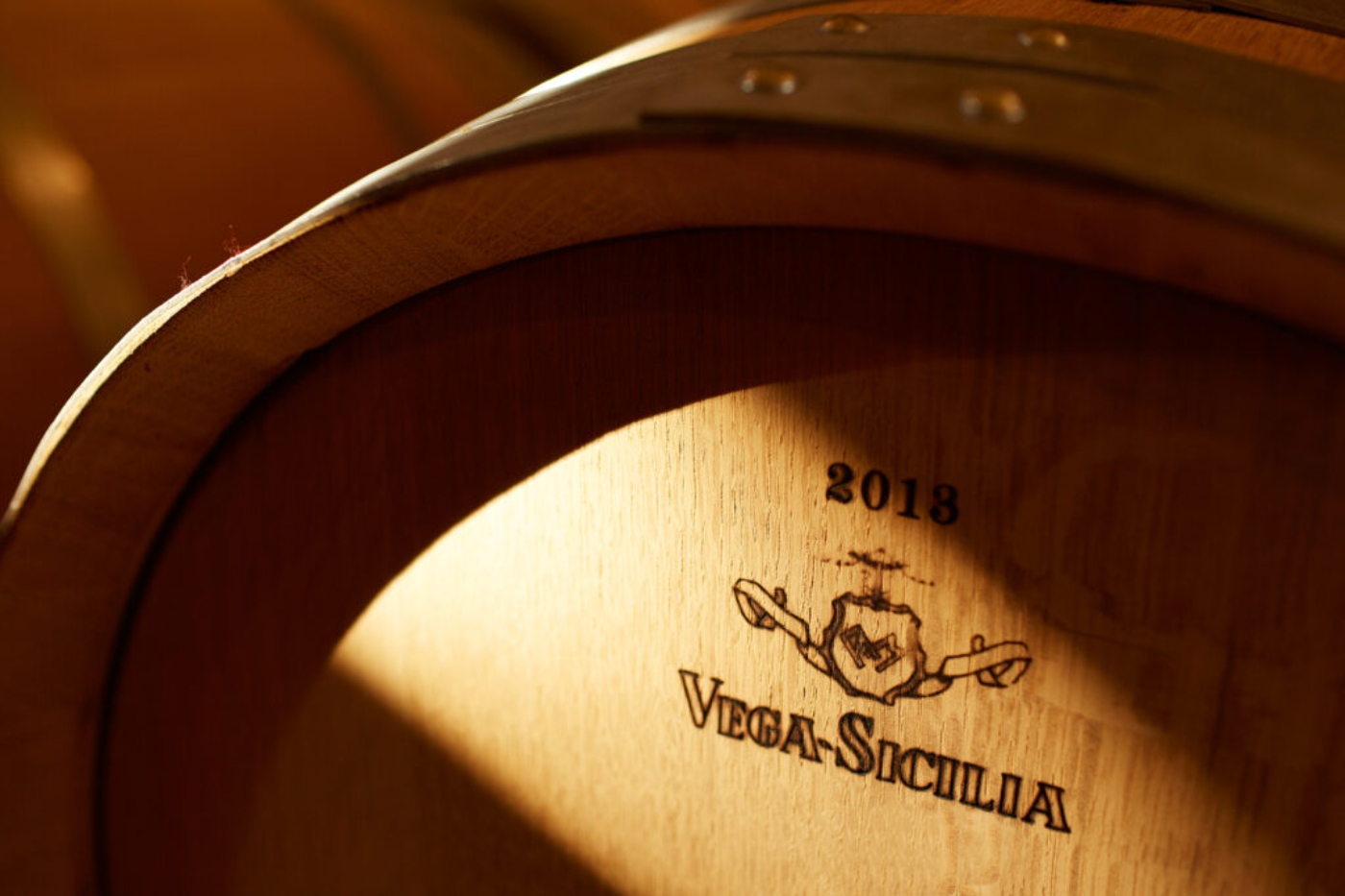
- History – winemaking in Ribera del Duero dates back to Roman times, but it only gained fame in the 20th century. The legendary Vega Sicilia estate, founded in 1864, established the area’s reputation for world-class wine.
- Subzones – while there are no formal subzones, the region is informally divided east to west. In the west, more elegant wines are produced, whilst in central, higher-altitude vineyards, the most powerful expressions are created.
- Grape varieties – Tempranillo, known locally as Tinto Fino or Tinta del País, dominate, supplemented by Cabernet Sauvignon, Merlot, Malbec, Garnacha and a small amount of Albillo Mayor for whites.
- Climate and soils – Ribera del Duero has an extreme continental climate with daily temperature swings of up to 25°C. Chalky limestone, marl and clay soils produce thick-skinned grapes with concentrated flavour, deep colour, and naturally high acidity for long ageing.
- Wines produced – almost exclusively reds, dominated by Tempranillo and occasionally blended with Bordeaux varieties. A small amount of rosé and, since 2019, white wine made from Albillo Mayor.
- Classifications – follows similar ageing tiers to Rioja; Joven, Crianza, Reserva and Gran Reserva, but with darker fruit, greater extraction and bolder oak influence.
- DO status – the DO was first established in 1982, sparking the modern boom that turned Ribera del Duero into one of Spain’s most prestigious regions.
Entry-level Ribera del Duero
For an excellent value 100% Tempranillo Ribera del Duero producer, look no further than:
- Alacer – this high-altitude Ribera del Duero winemaker produces the elegant Alacer Roble using 100% Tempranillo grapes from mature vines, and is aged for 4 months in French oak for the perfect balance
Ribera del Duero Grand Marques
Of all the Spanish wine regions, Ribera del Duero is home to many prestigious bodegas responsible for producing some exceptional wines:
- Matarromera – this legendary award-winning winery is located in the “Milla de Oro” of Ribera del Duero DO. Two of its most notable wines are the powerful and luscious Matarromera Crianza and the complex, silky and stylish Matarromera Reserva.
- Valduero – one of Spain’s most pioneering and globally respected family-owned estate produces classics including the 100% Albillo Valduero Blanco, extremely low-yield Valduero Una Cepa and the intense and elegant limited production Valduero 6 Años Reserva Premium.
- Tempos Vega Sicilia –world-class 150-year-old producer using Tinta Fina grapes to create some of Spain’s most coveted wines. These include Vega Sicilia Alión, Vega Sicilia Macán Clásico, Vega Sicilia Pintia, Vega Sicilia Valbuena 5° and Vega Sicilia Unico – the most sought-after wine in Spain.
Which wine does the Cava region specialise in producing?
Produced primarily in Catalonia, with the heart of production in the Penedès region near Barcelona, Cava is Spain’s flagship sparkling wine. Made using a method similar to Champagne, it offers exceptional value and quality. Cava spans from enjoyable everyday fizz to remarkable single-vineyard, long-aged cuvées.
The wines are typically made from native Spanish grapes, such as Macabeo, Xarel·lo and Parellada, which give Cava its distinctive character. Fresh citrus, green apple and almond, it has a Mediterranean salinity and minerality.
Recent reforms to the region’s classifications have placed greater focus on origin, organic viticulture, and longer ageing, which have elevated Cava’s reputation globally.
- History – Cava was first produced in 1872 by Josep Raventós of Codorníu, who, after a trip to France, adapted the Champagne method to local Spanish grapes. It is now Spain’s most exported wine style.
- Subzones – there are four key production zones: Comtats de Barcelona, which accounts for the majority of production and includes Penedès, Valle del Ebro, Viñedos de Almendralejo and Zona de Levante.
- Grape varieties – Macabeo, Xarel·lo, and Parellada dominate, alongside Chardonnay and Pinot Noir for rosados and blanc de noirs, plus Trepat, Garnacha and Monastrell.
- Climate and soils – the Mediterranean climate is moderated by the mountains and the sea. Limestone-rich soils retain coolness and contribute to Cava’s minerality and freshness.
- Wines produced – dry sparkling whites and rosados in styles from Brut Nature with no added sugar, through to Brut, Extra Seco, Seco and the sweeter Semi-Seco and Dulce varieties.
- Classifications – these are tiered by ageing with Cava de Guarda aged a minimum of 9 months on lees, Guarda Superior Reserva 18+ months, Gran Reserva 30+ months and the prestigious single-estate Cava de Paraje Calificado a minimum of 36 months.
- DO status: Cava was officially recognised as a Denominación de Origen in 1986 and reforms in 2020 introduced stricter classifications based on origin, ageing and organic viticulture.
Entry-level Cava
Cava is a highly accessible sparkling Spanish wine and one significant producer is Can Xa:
- Can Xa – produced by the Emendis Estate in the Castellet and Gornal area of Penedes, Can Xa produces two excellent Cavas: the clean, crisp, fruity and refreshing Can Xa Brut and the elegant and bright Can Xa Rose.
Cava Grand Marque
Celler Kripta, founder by Agustí Torelló Mata, creates Macabeu-based wines with a refined, delicate and fresh profile and the iconic patented amphora bottle:
- Celler Kripta – this boutique family winery has three vineyards, which produce Cava that is an icon in the world of sparkling wines. Notable wines include:
- 3-year aged Celler Kripta Franc Reserva
- Soft, cherry-pink Celler Kripta Trepat Reserva
- 100% Macabeo Celler Kripta Barrica Gran Reserva
- Exquisite hand-crafted Celler Kripta Gran Reserva
Which wines are produced in Rías Baixas?
Rías Baixas is situated on the rugged Atlantic coastline of Galicia in north-western Spain. Here, lush green landscapes and granite-rich soils produce some of the world’s finest white wines from the Albariño grape.
Unlike the rest of Spain, the region has a cool, wet, maritime climate, which gives Albariño its trademark zesty acidity, saline minerality and profile of citrus, stone fruit and white flowers.
Rías Baixas wines are the ideal partner for seafood and perfectly complement the region’s traditional octopus, shellfish and grilled fish dishes. More Rías Baixas top wine producers are demonstrating how Albariño can age beautifully, developing a wonderfully waxy, honeyed complexity over time.
- History – vines have been cultivated in Galicia since Roman times and by Cistercian monks during the Middle Ages. Albariño is believed to have arrived with pilgrims travelling the Camino de Santiago.
- Subzones – there are five subzones: Val do Salnés, which is the home of Albariño, O Rosal, Soutomaior, Condado do Tea and Ribeira do Ulla. The Atlantic shapes their characters.
- Grape varieties – Albariño is the key variety, followed by Loureira, Caiño Blanco, Treixadura and Godello for whites, with small amounts of Caiño Tinto, Sousón and Espadeiro for reds.
- Climate and soils – a cool, wet, maritime climate with high rainfall and plenty of cloud cover. Granite-based soils with sandy topsoils give the wines their stony minerality and hallmark salinity.
- Wines produced – mainly aromatic, single-varietal Albariño whites, together with multi-grape blends and a small quantity of reds.
- Classifications – wines are labelled by grape or subzone, e.g., Rías Baixas Albariño (100% Albariño), Rías Baixas Salnés and Rías Baixas Tinto for reds. Some producers also release barrel or lees-aged premium bottlings.
- DO status – the Rías Baixas DO was officially established in 1988, which sparked a quality revolution that transformed Galician winemaking and put Albariño on the global stage.
Entry-level Rías Baixas wine
An excellent value 100% Rías Baixas Albariño is perfect with seafood and rice dishes:
- Paco y Lola – one of Galicia’s best-known wineries produces Sucellos Albariño, a fresh Atlantic character wine that is crisp, elegant, with a vibrant acidity and a clean, lingering finish.
Rías Baixas Grand Marques
Two highly notable wineries in the Rías Baixas wine region are worthy of exploration:
- Terras Gauda – one of the defining names of modern Galician winemaking, this bodega produces Spain’s finest Albariño, Terras Gauda O Rosal, from a blend of Albariño, Loureiro and Caíño grapes.
- Pazo Barrantes – owned by the renowned Marques de Murrieta, this bodega in the Salnés valley creates uses extended ageing to create Pazo Barrantes, an Albariño with remarkable depth, freshness and longevity.
FAQ
What does DO mean?
DO or DOCa stands for Denominación de Origen Calificada, Spain’s highest wine classification.
Why does Rueda only produce white wine?
Rueda is best known for whites; however, the region also produces some sparkling wines made using Verdejo and Sauvignon Blanc.
Who is the most famous producer in Ribera del Duero?
Vega Sicilia, founded in 1864, is the region’s legendary estate and one of the most prestigious wine producers in the world.
Is Cava the same as Champagne?
Cava is made using the same traditional method as Champagne, with secondary fermentation in the bottle, but it is produced in Spain using different grape varieties so it has its own distinctive character.
What food pairs well with Rías Baixas wines?
Albariño is a natural partner for the seafood of Galicia, including octopus, sardines, oysters, clams, and shellfish. It is also suited to sushi, ceviche, chicken or pork.
Why is oak ageing so important in Rioja?
Oak ageing is central to Rioja’s identity. Traditional American oak provides signature vanilla, dill, and coconut notes, while modern producers are using French oak for tighter, more structured wines.
Glossary
Bodega – the Spanish word for a wine cellar.
Cuvées – a special blend of more than one grape variety.
DO status – a Spanish wine classification also known as Denominación de Origen Calificada (DOCa).
Joven – the Spanish word referring to a young wine.
Marl – a carbonate-rich mud or mudstone which contains variable amounts of clays and silt.
Subzone – one of two or more zones in a wine region.
Tinto Fino – the local name for Tempranillo in the Ribera del Duero region.
Viticulture – the cultivation and harvesting of grapes.