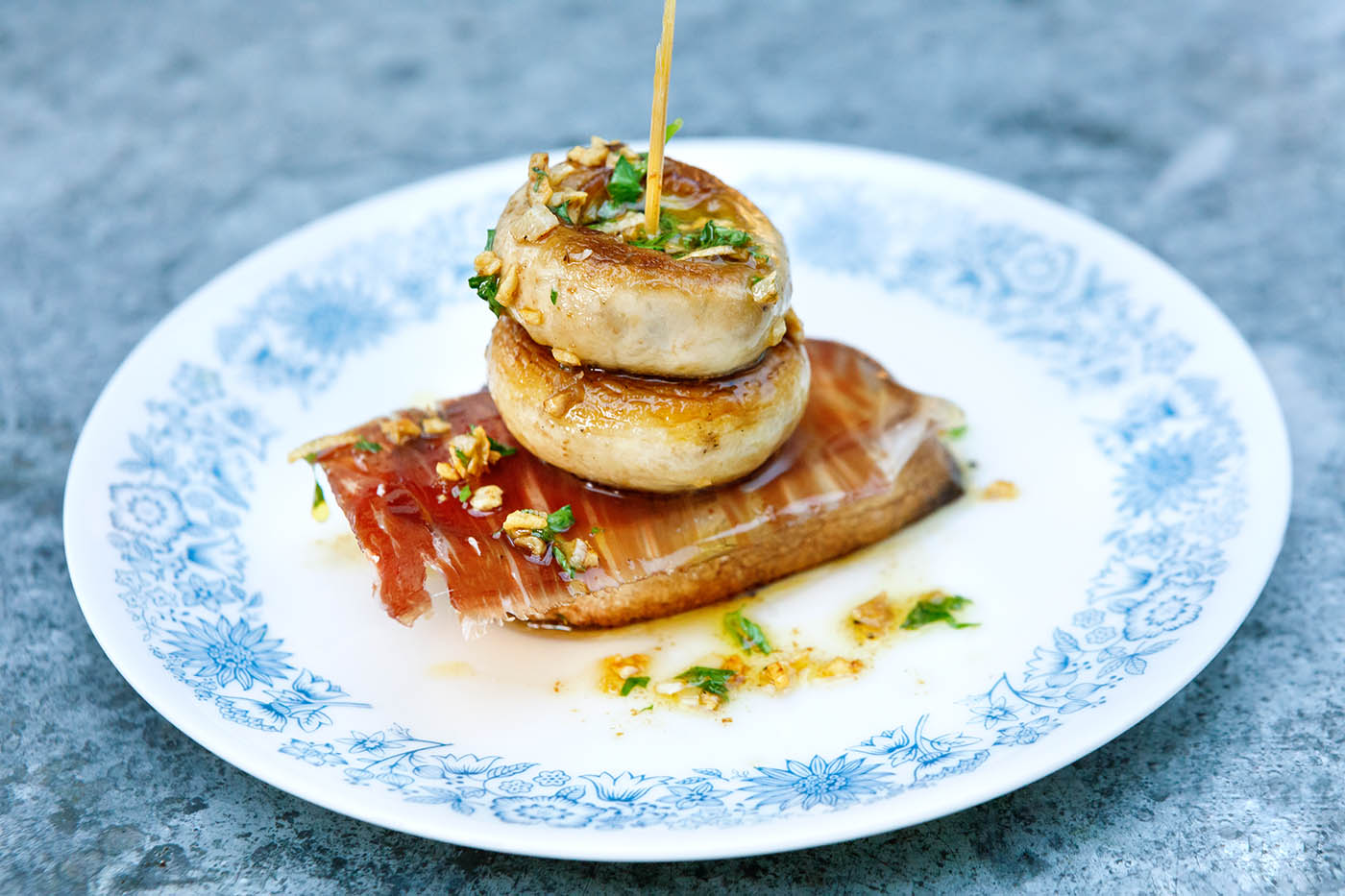
There are numerous essential Spanish herbs and spices used in Spanish cooking. The two most popular spices are saffron, or azafrán “King of Spices” used in paella, and paprika, aka pimentón, used in charcuterie, stews, soups paella, sauces, and marinades, etc. The main herbs used by Spanish chefs include parsley, bay leaves, rosemary, thyme and oregano. For seasoning, Basque sea salt, choricero, and ñora pepper puree are traditional favourites.
The definitive guide to Spanish seasoning
Spanish herbs and spices, along with Spanish seasoning and traditional local produce, are what give Spanish foods their unmistakable flavour. In this guide, we take a closer look at the essential spices, go to herbs and sensational seasonings that are prevalent right through almost every dish in Spanish gastronomy. First, let’s start with Spanish spices.
What are the two main Spanish spices?
The colour red is what immediately hits you when you first set sight on the two main spices used in Spanish cooking. Saffron, also known as “red gold”, and paprika, aka pimentón, demonstrate the passion and fire of Spanish cooking.
What is Saffron?
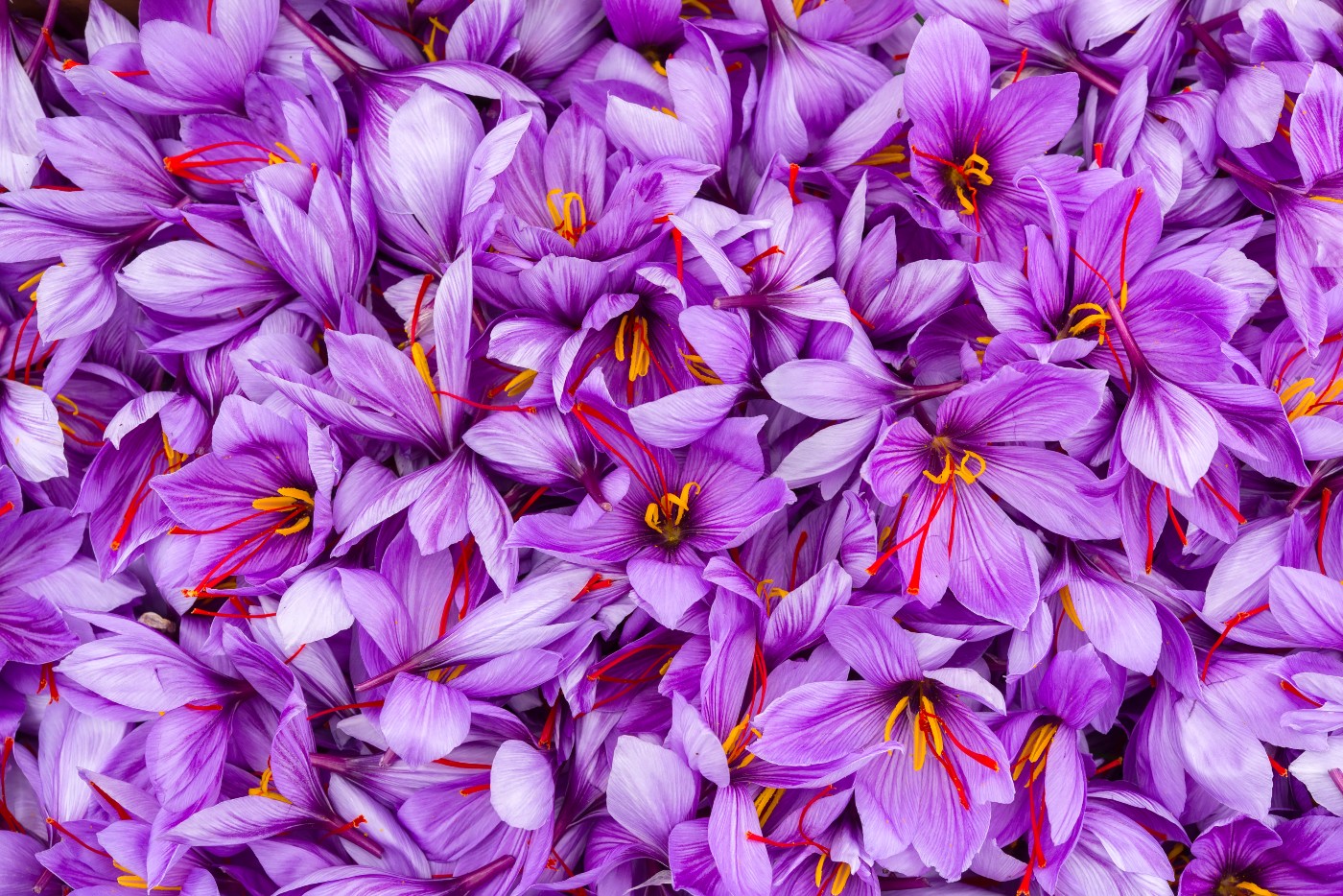
Saffron, called azafrán in Spain, are wonderful crimson threads that give paella its gorgeous golden and almost hay-like aroma. Spain’s most prized and fiercely protected spice, saffron is worth its weight in gold and has been a key spice in Iberian cooking since the Moors introduced it over a thousand years ago.
- Saffron is grown mainly in La Mancha, in the Castilla region of central Spain where the DO Azafrán de la Mancha guarantees its provenance, quality and traditional toasting methods unique to the region
- Basco only stocks Molineta de Minaya Saffron, from a small village in La Mancha, which carries the La Mancha designation of origin stamp
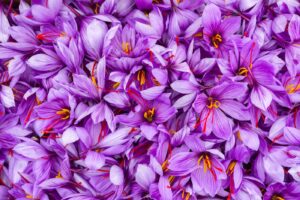
- Saffron is hand-harvested at dawn from the purple Crocus sativus flower before the sun wilts it
- Approximately 200,000 saffron blooms are needed to create just one kilogram of finished threads
- The best saffron comes from the flower’s three deep brick-red stigmas with vivid orange tips and a heady, honeyed aroma
- Yellow or broken threads are the telltale signs of an inferior grade
- To draw out its full colour and flavour, saffron threads should be briefly toasted in a dry pan until brittle, then crushed with a pinch of salt and bloomed in warm stock or wine
- When making paella, or any other dish, saffron should be added just before the dish is fully cooked.
- Saffron pairs beautifully with paella, saffron rice, shellfish, almonds, citrus, slow-braised lamb, Asturian fabadas, and traditional Spanish desserts.
- Store in a cool, dark, airtight container away from light and humidity; use within 18 months, as its aromatic qualities fade steadily even when perfectly sealed
What is Paprika?
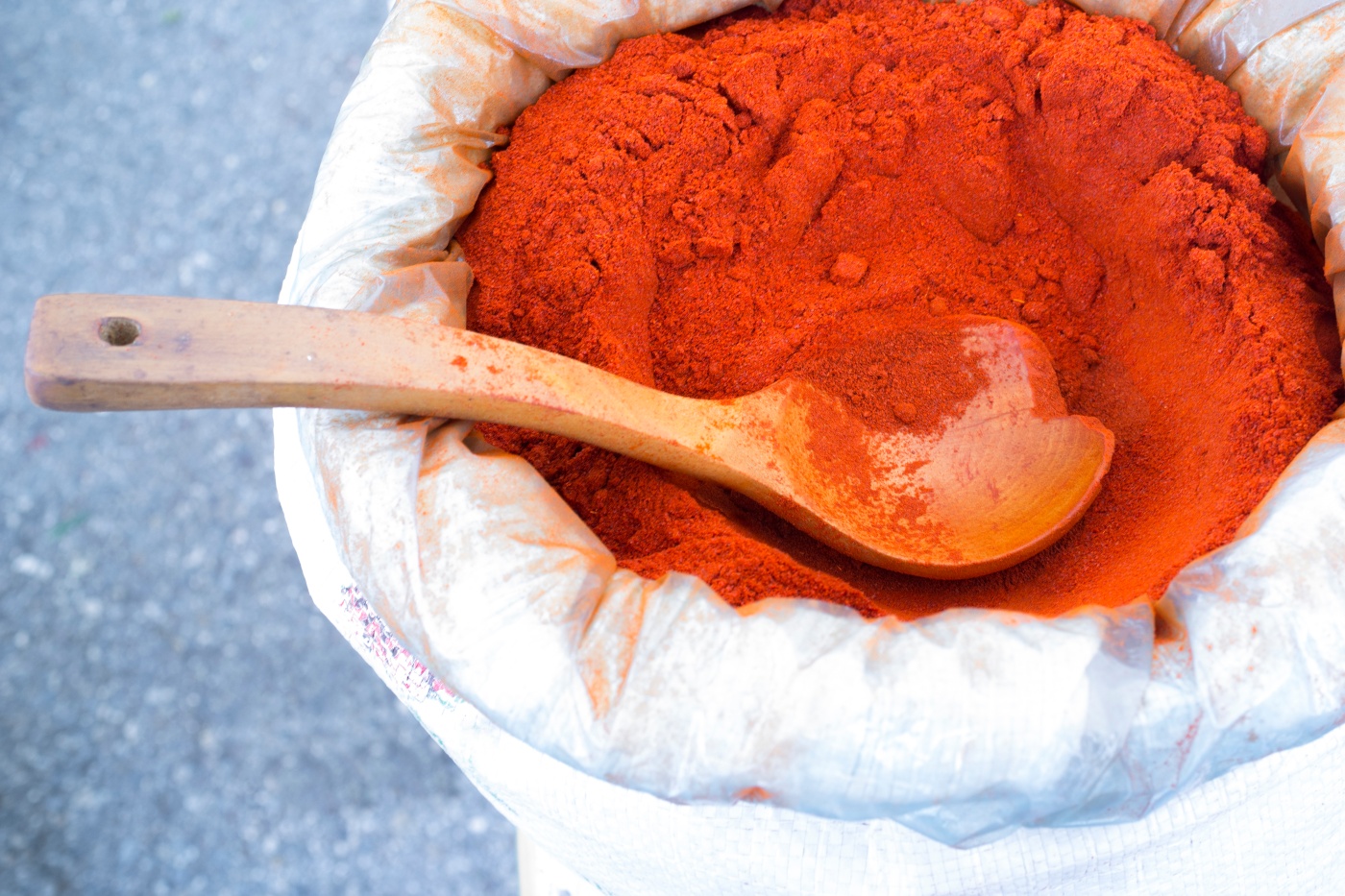
Pimentón in Spanish, paprika is probably the most widely used Spanish spice ever. It transforms chorizo, patatas bravas, stews, soup, paellas, sauces, marinades and many other Spanish staples into authentic Iberian food. Paprika is a spice so integral to Spanish cuisine that many kitchens treat it with the reverence and importance that the French reserve for butter.
- There are two key DOs – Pimentón De La Vera in Extremadura, where peppers are slowly oak-smoked, and Murcia, where they are sun-dried for a brighter, fruitier character
- Paprika exists in three strengths — dulce (sweet and mellow), agridulce (bittersweet with gentle warmth), and picante (fiery, ideal for chorizo and sobrasada)
- La Vera peppers are smoked over holm oak embers for up to two weeks, to give the pimentón its distinctive smoky depth
- When cooking with paprika, first add it to warm oil that’s off the heat as a direct flame will scorch the delicate pigments and natural sugars, making it bitter
- Paprika is essential for curing chorizo and morcilla, building paella sofritos, dressing pulpo a feira, spicing patatas a la riojana and thickening romesco sauces
- The flavour and vivid red colour of paprika can fade relatively quickly once the seal is broken and oxygen creeps in, so always keep paprika in an airtight container and replace annually.
What seasonings are used in Spanish cooking?
Spanish cooking also involves the use of specific seasonings to build and enhance the flavours. The main ones are salt and peppers – two different varieties of peppers, in fact.
What are Choricero Peppers?
Pimientos choriceros are wonderfully sweet, deeply fruity, leathery dried peppers that are a key ingredient of Basque and Riojan cooking. The flavour of choricero is immediately recognisable and is in some of Spain’s most iconic slow-cooked dishes.
- Choricero peppers are dried rather than smoked, which gives them a rich, raisin-like sweetness with gentle, lingering warmth and a dark, almost cocoa-like undertone that deepens the longer you cook
- Choricero peppers are rehydrated in warm water for approximately 30 minutes. When supple, the softened flesh is scraped away from the tough skin with the back of a knife to create a paste
- This paste is a major ingredient in bacalao al pil-pil, bacalao a la vizcaína, and also many Basque, Navarrese and Riojan stews and braises
- Choricero peppers are prized for their colour, body, natural pectin, and concentrated, almost meaty pepper perfume, rather than their heat
- Choricero peppers hang whole in tall ristras in a dry, airy corner of the kitchen – stored like this they can keep their flavour for over a year
- Basco stocks a convenient, ready-made Pulpa de Pimento Choricero Puree made by Familia Suarez from 100% choricero pepper flesh
What is Ñora Pepper?
The ñora pepper is the Murcian and Valencian cousin of the choricero pepper. They have a rounder, slightly sweeter, more floral flavour that is a hallmark of Levantine and Catalan cooking. Ñora peppers are the secret ingredient behind memorable rice dishes, romescos and seafood sauces of Spain’s Mediterranean coast.
- Ñora peppers are small, round, sun-dried peppers that are traditionally strung on coastal rooftops and grown in Murcia, Alicante and the Delta del Ebro for generations
- Their flavour is mild and fruity, slightly nutty with subtle tannic undertones and no real heat
- Ñora peppers are an essential component of romesco, salmorreta, arroz a banda, arroz negro and virtually every traditional Alicante-style rice dish
- They are either sold whole or as a ready-made pulp in small jars that you can spoon in to dishes
- Basco stocks an excellent authentic Spanish Pulpa de Ñora by the small family-run producer Familia Suarez
- Whole dried ñora peppers can be toasted quickly in a little olive oil before soaking to deepen and amplify their nutty character
- Ñora peppers are perfect with Marcona almonds, roasted garlic, ripe tomato, extra virgin olive oil, sherry vinegar and a splash of fino or manzanilla
Why is Basque Country Sea Salt so special?
Harvested from an ancient mountain spring high in the Añana valley, Sal de Añana is an extraordinary inland “sea” salt. One of the world’s rarest and most sought-after finishing salts, its quality is approved by 22 Michelin-starred restaurants in Spain, which season with it daily.
- Basque Country sea salt originates from the Salinas de Añana – a Neolithic salt valley fed by ancient briny springs where it has been produced for over 6,500 years
- Crystallised slowly by sun and wind on terraced wooden evaporation pans known as “eras”, each is owned and farmed by different salt-making families
- Crisp and flaky, with an irregular texture and a clean mineral finish, Sal de Añana has a soft, sweet salinity and is not harsh or bitter like industrial salt
- Basco stocks the prized featherlight Flor de Sal de Añana which is skimmed from the surface by hand from the pans in the hottest days of the Basque summer
- Sal de Añana sea salt is delicious scattered over grilled txuletón steak, seared txuleta, raw fish, summer sun-warmed tomatoes, buttered sourdough and shards of dark chocolate
Which herbs do Spanish chefs use?
Parsley, bay, rosemary, thyme, and oregano are the five great workhorse herbs of the Spanish kitchen. Used together, they express the essential character of Spanish cooking — rustic, confident and deeply rooted in the landscape. They season without shouting, letting good olive oil, garlic, pimentón, and the raw ingredients themselves remain the stars of the plate.
How is Parsley used in Spanish cooking?
Parsley is an underestimated and utterly essential herb for Spanish cooking. The flat-leaf variety is the vibrant green backbone of myriad Spanish sofritos, sauces, seafood preparations, and tapas. Used generously, it makes a good home-cooked dish a truly accomplished one.
- Spanish cooks always use Italian flat-leaf perejil liso parsley in their kitchens – the curly types of parsley are considered to be decorative only and lack that clean, peppery punch
- Parsley is essential in salsa verde for hake, al ajillo garlic sauces, Galician-style pulpo, kokotxas and the garlicky mojos of the Canary Islands
- Chop parsley very finely with garlic, almonds and sometimes hazelnuts to make picada, the Catalan finishing paste that thickens and perfumes stews
- Add raw and only at the very last moment to preserve its vivid colour
- Parsley stems pack an intense flavour – save and bundle them into stocks, court-bouillons and long-simmered braises for added depth
- Store bunches of parsley upright in a glass of water in the fridge, loosely draped with a bag, and they will stay perky and fragrant for up to a week
How do you use Bay Leaves in Spanish cooking?
Bay leaves are the quiet, unshowy workhorse of the Spanish pantry. Cooks use them to infuse stews, pulses, marinades and pickles with their warm, faintly eucalyptus aroma. Bay leaves are the quiet hero that hold everything else together.
- Spanish Mediterranean bay, Laurus nobilis, is more pungent, slightly more floral and more balsamic than the paler Turkish variety.
- Bay leaves are key ingredients in lentejas, garbanzos, fabadas, escabeches, adobos, and the great slow-simmered cocidos of Madrid, Galicia, and Maragato
- Use dried leaves, not fresh, as fresh bay leaves can taste harshly medicinal and overpowering in Spanish dishes
- Before use, bruise dried bay leaves lightly between your fingers or snap in half before adding – this fractures the leaf and releases aromatic oils trapped in its waxy surface
- Always remove the leaves before serving
- Refresh your store of bay leaves at least yearly, as old, faded leaves lose their aromatic punch
What part does Rosemary play in Spanish dishes?
Rosemary is a wild, silvery mountain herb found on Spain’s sun-bleached dehesas and coastal hillsides. Called romero in Spain, rosemary brings pine-scented, camphor-like, deeply savoury depth to roasts, grills, and marinades. It’s a herb so plentiful in the countryside, it perfumes the air of rural Spain.
- Rosemary grows abundantly across scrubland in Andalusia, La Mancha, the Levant and the Balearics, where it thrives on thin limestone soils and summer sun
- Its tiny blue flowers feed the bees that produce miel de romero, Spain’s famed single-flower rosemary honey which is prized for its pale colour and herbal tones.
- Rosemary is the perfect partner for roast lamb, suckling pig, slow-cooked pork, game, grilled vegetables and the rustic country breads of Catalonia and Aragón
- Rosemary is an essential ingredient in adobo marinades alongside garlic, pimentón, sherry vinegar, oregano and olive oil
- This classic herb is also a used to flavour biscuits, Manzanilla olives and sheep’s milk cheeses from La Mancha.
- Be careful to use sparingly, as its aromatic oils are powerfully concentrated and can easily overwhelm delicate dishes
- Rosemary’s long woody stems, when stripped of their lower leaves, can be used as fragrant skewers for lamb, prawns or pinchos grilled over vine cuttings or charcoal
How is Thyme used in Spanish cuisine?
Thyme, known as tomillo in Spain, is a low-growing, sun-loving Mediterranean herb. It lends its earthy, slightly minty and peppery aroma to countless Spanish classic dishes. Thyme grows wild across entire hillsides of the Iberian landscape and scents the breeze on summer walks.
- Spain grows several native varieties of thyme, including the citrussy tomillo limonero and robust, pungent tomillo salsero, which is used in marinades
- Thyme is a key ingredient in adobos, escabeches, slow-cooked hunter’s stews, rustic conejo al ajillo and lamb and goat dishes of Castilla and Extremadura
- Thyme is the perfect partner for rabbit, suckling pork, lamb, wild mushrooms and cured olives, as well as the strong sheep and goat cheeses of Manchego and Murciano
- To use, strip the small leaves from their woody stems by running your fingers backwards along the stalk
- Be sure to add thyme early in the cooking process, as unlike parsley, thyme needs heat and time to release its aromas
- Bees feed on thyme to create Spain’s prized tomillo honey, which is wonderful eaten with aged cheeses, membrillo, walnuts and cured jamón
How do Spanish cooks use Oregano?
Oregano is a wild, sun-baked Mediterranean herb that adds a peppery, savoury intensity to Spanish grills, marinades and rustic, bold dishes. Spanish oregano is more pungent than its Italian counterpart as it is sharper and drier with a subtly bitter edge that develops throughout cooking.
- Dried oregano is far more common and flavourful than fresh oregano leaves in Spanish cooking, as the drying concentrates the essential oils
- Crumble oregano leaves between your fingertips just before adding to dishes, as it breaks the cells and releases the maximum aromatic oils into your pan
- Oregano is a key ingredient for the mojos of the Canary Islands, grilled sardines, escabeches, Mallorcan sobrasada and many robust dishes of the Levante and Andalusian regions
- Oregano is the ideal partner for ripe tomato, slivered garlic, olive oil, grilled lamb, pork, oily fish and strong, salty Spanish cheeses
- Try to buy whole dried sprigs or leaves if possible, as pre-ground oregano can lose its oils within weeks and quickly fade into a flavourless green dust
FAQ
How much saffron do I actually need for a paella?
A pinch is usually plenty — around 15 to 20 threads for a paella serving four to six people. Always toast briefly, crush with a little salt, and bloom in warm stock before adding.
Can I swap smoked pimentón for regular paprika in a recipe?
Not really, as the two are quite different. Pimentón de la Vera carries a deep, oak-smoked flavour, while sweet Murcian paprika is brighter and cleaner.
Are choriceros spicy?
No. Despite their intense, deep red colour and fiery-looking skin, choriceros contain very little capsaicin heat. Choriceros are prized instead for their natural sweetness.
Can I substitute anything if I cannot find ñora peppers?
The closest substitute is a mixture of mild dried chillies, such as ancho, with a small spoonful of choricero paste to round out the flavour. For everyday cooking, ready-made Pulpa de Ñora, is excellent and can be ordered online.
Is Sal de Añana really worth the price?
Yes. As a finishing salt, its clean, flaky crunch and gentle minerality elevate simple things like tomatoes, grilled steak, or buttered bread.
Can I use curly parsley instead of flat-leaf?
Not in Spanish cooking, Flat-leaf perejil liso has a cleaner, brighter, peppery flavour, while curly parsley tastes grassy and slightly bitter.
Fresh or dried bay leaves for Spanish cooking?
Always dried. Fresh bay tastes sharply medicinal and can quickly overwhelm a stew. Dried leaves mellow into the warm notes that Spanish cooks desire.
Why does my rosemary taste overpowering?
It could be for any of three reasons. You’ve used too much, added it too late or cooked it too briefly. Rosemary’s oils are powerful and need time to mellow. A single small sprig is usually enough.
When should I add thyme to a dish?
Add thyme early in the cooking process as it releases its earthy, subtly minty flavour slowly.
What’s the difference between Spanish and Italian oregano?
Spanish oregano is drier, more pungent and slightly more bitter, with a sharper, savoury, resinous edge. Italian oregano tends to be sweeter, softer and more floral.
Glossary
Adobo – a Spanish marinade made with garlic, pimentón, vinegar, oregano and olive oil.
Agridulce – a bittersweet variety of pimentón, balancing gentle warmth with mellow, rounded sweetness.
Arroz – Spanish for rice, the foundation of paellas and countless regional dishes.
Azafrán – Spanish for saffron, the prized crimson stigmas of the Crocus sativus flower.
Bacalao – salt-cured cod, a cornerstone of Basque and Catalan cooking.
Bay leaves – the aromatic dried leaves of the laurel tree, essential in stews and pulses.
Cocido – a hearty Spanish boiled meat-and-chickpea stew.
Crocus sativus – the purple crocus whose dried stigmas yield saffron.
Dehesa – Spain’s oak grasslands that are home to Iberian pigs and wild herbs.
Dulce – a sweet variety of pimentón, mellow and richly coloured with no heat.
Escabeche – a vinegar-based marinade for preserving fish, game or vegetables.
Fabada – an Asturian white-bean stew enriched with chorizo, morcilla and saffron-tinted broth.
Garbanzos – Spanish for chickpeas, central to cocidos, stews and many tapas.
Kokotxas – the delicate gelatinous throat morsels of hake or cod, a Basque speciality.
Laurus nobilis – the botanical name for the Mediterranean bay laurel.
Lentejas – a Spanish lentil stew, traditionally simmered slowly with chorizo, bay and pimentón.
Mojo – a strong Canarian sauce of garlic, oil, vinegar and oregano or chilli.
Morcilla – a Spanish blood sausage, often spiced with onion, rice, paprika or pine nuts.
Ñora – small, round, sun-dried sweet peppers from Spain’s Mediterranean coast.
Oregano – a pungent dried Mediterranean herb essential in mojos, escabeches and grilled dishes.
Paella – an iconic Valencian rice dish cooked in a wide, shallow pan over fire.
Parsley – a bright, fresh herb used liberally in Spanish sauces, sofritos and seafood.
Perejil liso – Italian flat-leaf parsley, the only variety used in Spanish kitchens.
Picante – a spicy variety of pimentón that gives heat to chorizo and stews.
Pimentón – Spanish paprika, smoked or sun-dried, central to chorizo and many other dishes.
Pimientos choriceros – sweet, leathery, sun-dried red peppers used in Basque and Riojan cooking.
Pinchos – small skewered tapas, especially associated with Basque Country bar culture.
Pulpo – Spanish for octopus, famously served Galician-style with paprika and olive oil.
Red gold – an affectionate name for saffron, reflecting its colour and extraordinary value.
Romero – Spanish for rosemary, the wild mountain herb perfuming roasts and grills.
Romesco – a Catalan sauce of ñoras, almonds, garlic, tomato, bread, and olive oil.
Sal – Spanish for salt, ranging from everyday cooking salt to prized Añana flakes.
Salmorreta – a condiment from Alicante of ñoras, garlic, parsley, and tomato for rice dishes.
Sobrasada – a Mallorcan cured spreadable sausage flavoured with pimentón and wild herbs.
Sofrito – a slow-cooked base of onion, garlic, tomato and oil that underpins Spanish dishes.
Stigmas – the three thread-like female parts of the crocus flower.
Tomillo – Spanish for thyme.
Txuletón – a massive Basque bone-in rib steak, traditionally grilled rare over hot embers.