


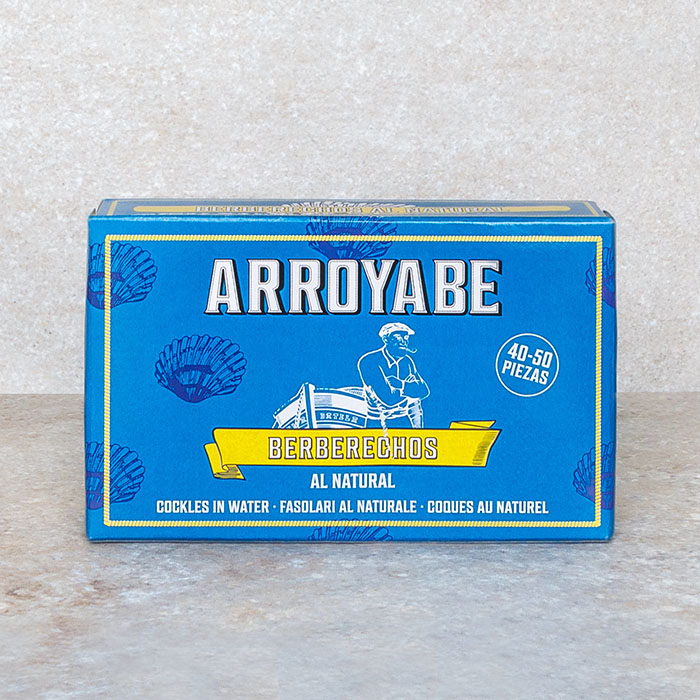
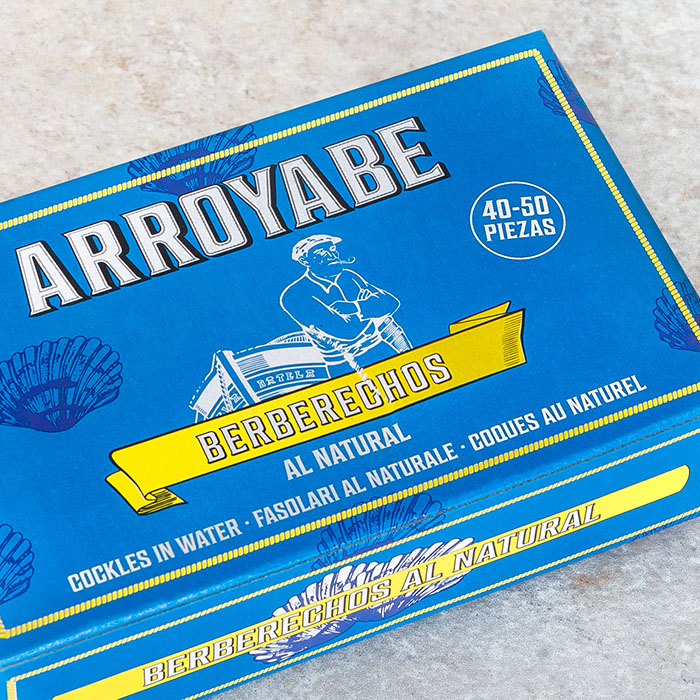
Arroyabe Cockles in Water
AUTHENTIC GALICIAN BERBERECHOS
Steamed cockles canned in water
The perfect tapas ingredient, excellent with Vermut
Made by Basque artisan seafood canning company




We also think you'll love...

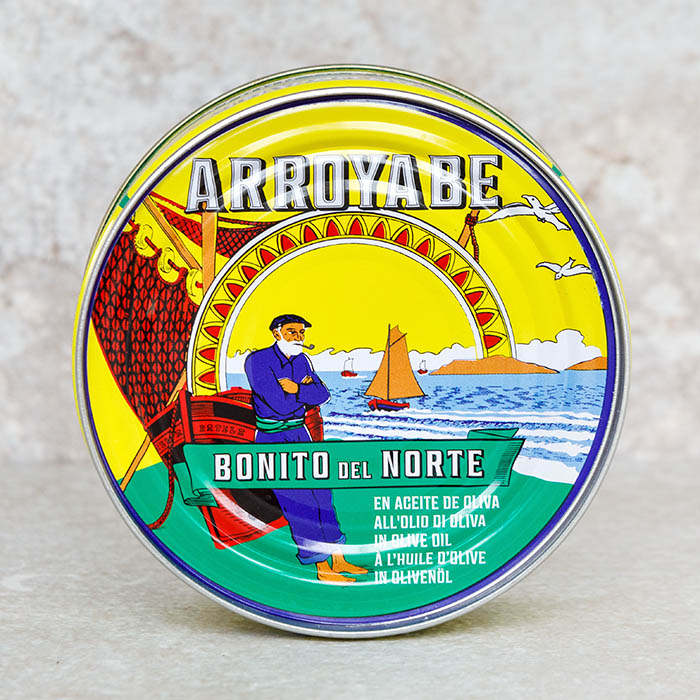
Arroyabe Bonito Tuna in Olive Oil 260g
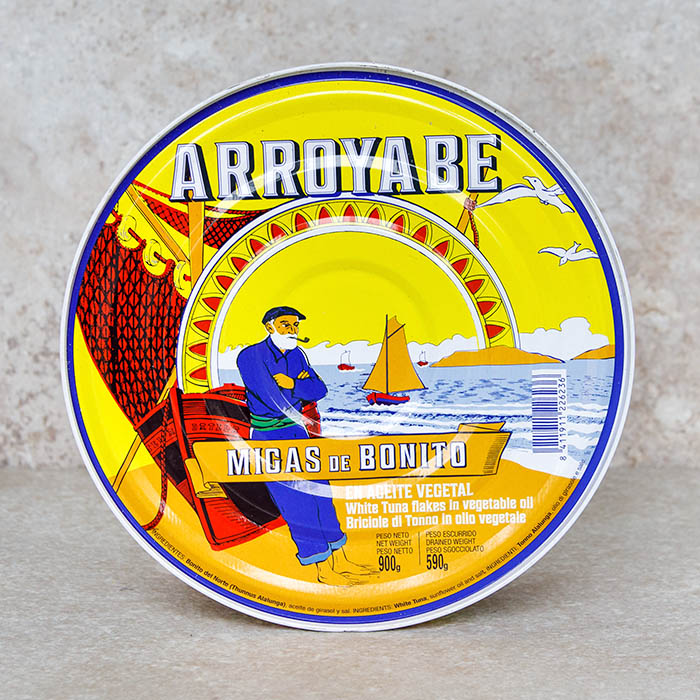
Arroyabe Bonito Tuna Flakes (Migas) in Vegetable Oil
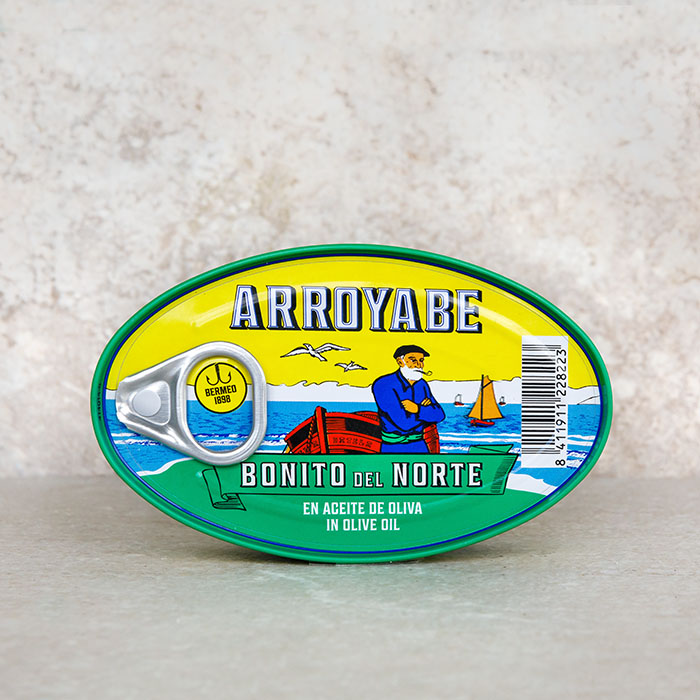
Arroyabe Bonito Tuna in Olive Oil 112g
Description
A hidden treasure of Spanish gastronomy, and one of our favourite tapas: these small saltwater cockles called berberechos are harvested in the sandy estuaries along the coast of Cantabria where the cool waters make for perfect seafood.
Naturally prepared in saltwater and simply steamed, these tender cockles are the ultimate flavour of the sea.
They also couldn’t be easier to serve and share, straight from the can with a squeeze of lemon and a glass of your favourite white wine. Perfect!
Ingredients
| Cockles (54.78%) |
| water (44.22%) |
| salt (1%) |
Details
| Net Weight: 120g |
| Best Before: See label |
| Country of Origin: Spain |
| Brand: Arroyabe |
| Packaging: Can |
| Storage: Store in a cool dry place |
| Usage: Ready to eat |
| Region: Bermeo |
Nutritional Values
| TYPICAL VALUES | Per 100g |
| Energy KJ | 274Kj |
| Energy kcal | 65Kcal |
| Fat | 1g |
| Protein | 14g |
| Salt | 1.2g |
Recycling Information
| All of our food packaging can be reused, recycled or disposed of in a sustainable way. Learn more |
Delivery Information
| Standard Delivery (orders under £75) | £8.50 |
| Standard Delivery (orders over £75) | FREE |
| Priority Delivery (orders under £75) | £11.95 |
| Priority Delivery (orders under £75) | £3.45 |
| Collection | FREE |
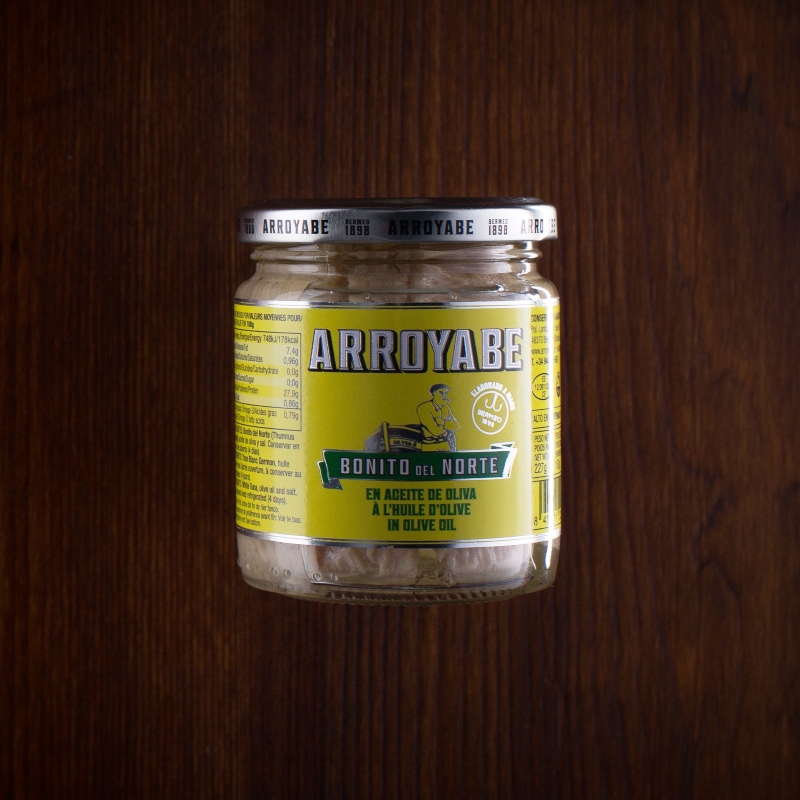
The Source
Arroyabe
During the nineteenth century the products produced in the valley such as wine were exchanged with fresh fish from the Bay of Biscay through what is known as the wine route. Rufino Arroyabe Ruiz de Azua began selling fresh fish on the plateau through this bartering system. In order to keep the fish fresh and in the best possible conditions en route to its destination, he would pack it with ice as he passed the Gorbea mountain. The year was 1898 and after several years of selling these products, Rufino Arroyabe decided to build a cannery and combine it with a winery. In those days, all fish was canned and preserved by salting or brining, which is how Bonito tuna in brine originated. With the help of his son, Rufino Arroyabe, added new products to the initial product line and the production process was improved until they achieved high quality products with an exquisite flavour. In the 1960’s they business moved to a new facility in the town of Bermeo, abandoning the winery and focusing on the canning of Bonito tuna and Cantábrico anchovies. The business also began to try out new products such as canning fish in olive oil (up to that point they only canned using brine). In 1996, they built the current factory in the outskirts of Bermeo which enabled them to combine technological innovation with traditional preparation. The new facility enabled them to increase production in order to meet consumer needs.
Why buy from us