Galician Beef vs Wagyu is a meeting of two revered varieties of beef, each shaped by breed, diet and rearing. Galicia’s cattle graze for years across Spain’s verdant hillsides, developing a profound, mineral depth of flavour. Wagyu, meanwhile, owes its silky marbling to meticulous Japanese breeding – though not all Wagyu is Japanese; in fact, some of the finest found today is raised in Spain.
How do Galician beef and Wagyu compare?
Galician beef and Wagyu both deliver exceptional marbling, but in quite different styles. Wagyu’s fat is fine, buttery, and melts almost instantly, creating a soft, luxurious texture. Galician beef, from mature Rubia Gallega cattle, has coarser marbling with a deeper, more mineral flavour and a firmer bite. Popular cuts of both include ribeye, sirloin and fillet, while Wagyu is also thinly sliced for sukiyaki. Galician beef is perfect for high-heat grilling or searing to render its fat and develop a charred crust. Wagyu is better suited to quick, gentle cooking to preserve its delicate marbling and avoid overwhelming richness.
What is blonde Galician beef?
Blonde Galician beef comes from the Rubia Gallega cattle breed that is native to Galicia in northwest Spain, celebrated for its exceptional quality and flavour.
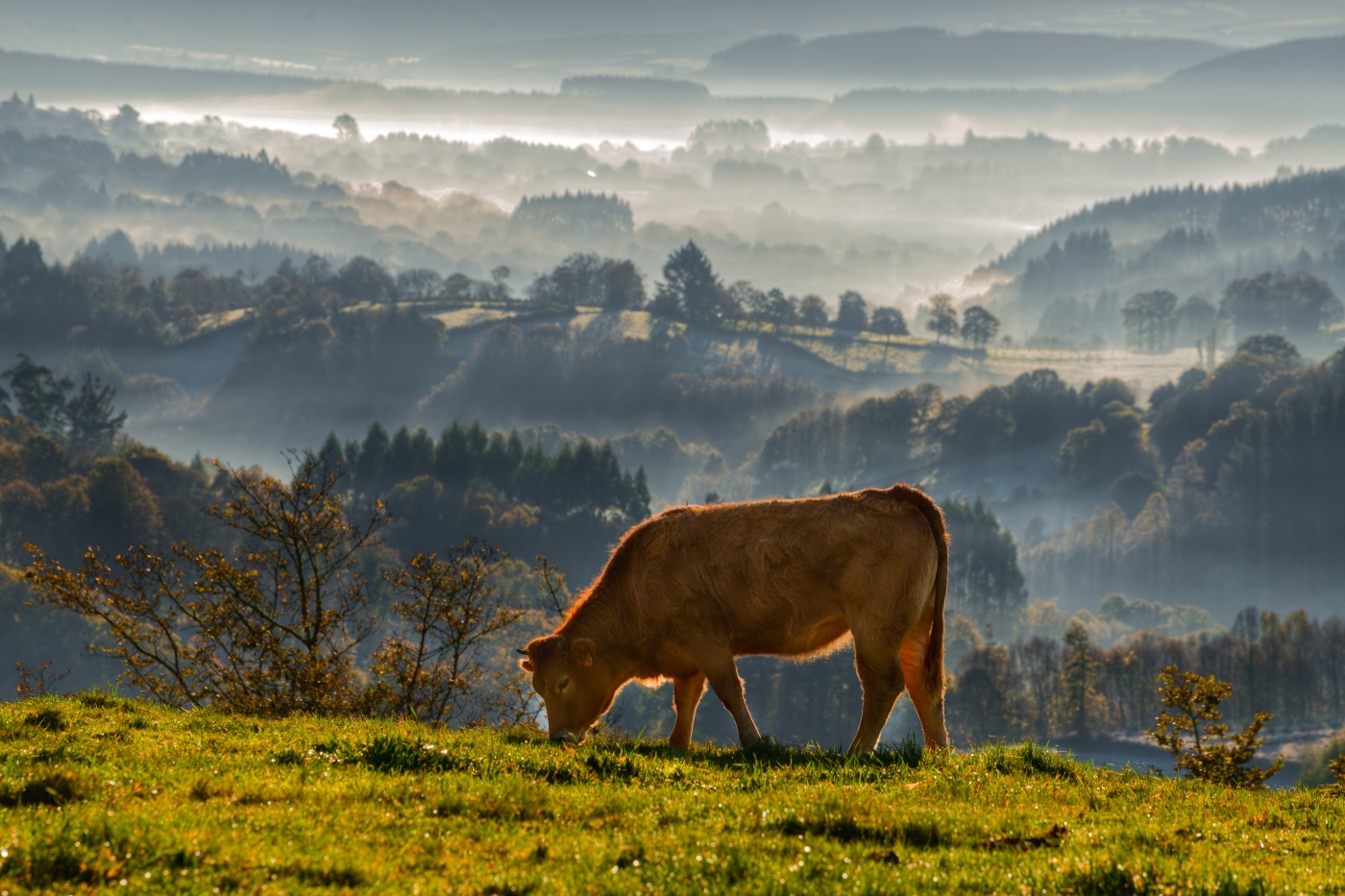
- Breed origin – Rubia Gallega, aka “Galician Blonde”, is an indigenous Spanish breed, traditionally raised in Galicia’s lush, rainy pastures.
- Distinctive colour – the cattle have a pale, golden-blonde coat which gives the breed its name.
- Age and maturity – animals are often raised well beyond typical slaughter age. This can range from 8 to 15 years, allowing the meat to develop a deeper flavour and fat complexity.
- Grass-fed diet – cattle graze freely on Galicia’s mineral-rich grasslands giving the meat its distinctive earthy taste.
- Marbling and fat – known for rich, yellow-tinged fat and intricate marbling, blonde Galician beef is prized by chefs for its tenderness and depth.
- Import and traceability – some suppliers operate a fully integrated farm-to-fork traceability system where each animal carries a unique serial number, enabling the tracking of its date of birth and slaughter, abattoir and processing plant identification, lot number, packing and expiry dates.
- Culinary reputation – considered one of Spain’s finest beefs, blonde Galician beef is often compared favourably to Wagyu for its intensity and complexity of flavour.
How long is Galician beef aged for?
Galician beef is renowned for its extended ageing process, which plays an important role in developing its distinctive depth of flavour and tenderness.
- Typical range – Galician beef is often aged anywhere from 30 to 90 days, though premium cuts can go further.
- Extreme ageing – some producers age beef for 6 months to over a year to intensify the flavour.
- Dry-ageing method – most Galician beef undergoes dry-ageing in controlled, temperature and humidity regulated rooms.
- Fat and flavour development – longer ageing allows enzymes to break down muscle fibres, deepening umami and nutty notes.
- Animal age – as cattle are slaughtered at 8-15+ years old, the meat already has complex flavour before ageing even begins.
- Chef and market preference – high-end restaurants often seek out longer-aged cuts (60+ days) for their intense, distinctive character.
What is the best cut of Galician beef?
Galician beef offers a range of exceptional cuts, but one in particular stands out as the connoisseur’s favourite.
- Txuletón (T-bone/ribeye chop) – is widely considered the best cut, prized for its generous marbling, bone-in flavour and dramatic presentation.
- Rich marbling – txuletón’s fat runs through the meat, rendering beautifully when grilled and delivering a deep, buttery flavour.
- Thick-cut – Galician beef is typically served bone-in and thick (often 1kg+), allowing a seared crust while keeping the centre tender and rare.
- Entrecot (ribeye) – boneless alternative offering similar marbling and flavour, popular for slightly smaller portions.
- Solomillo (fillet/tenderloin) – the most tender cut, which is milder in flavour and favoured by those wanting a leaner, softer bite.
- Chef’s favourite – txuletón remains the benchmark cut internationally, showcasing the breed’s age, fat quality and signature mineral depth better than any other.
Where does Wagyu beef come from?
Wagyu beef takes its name from the Japanese cattle breed prized worldwide, though the finest examples are no longer confined to Japan alone.
- Meaning of “Wagyu” – the term simply means “Japanese cow,” which refers to a specific set of native cattle breeds, not a single origin or region.
- Japanese origins – Wagyu breeds, including Kuroge Washu (Japanese Black), were developed in Japan over centuries and are prized for their genetic marbling.
- Famous regional varieties – Kobe, Matsusaka, and Ohmi are well-known Japanese Wagyu designations, each with strict regional and quality standards.
- A breed, not a place – because Wagyu refers to the breed itself, cattle can be raised anywhere in the world using the same genetics.
- Spanish Wagyu excellence – Spain now rears exceptional Wagyu, particularly in Galicia, combining Japanese genetics with Spanish pasture, climate and traditional husbandry.
- Global reputation – Spanish-reared Wagyu is increasingly recognised among chefs for rivalling, and even surpassing, Japanese Wagyu in flavour and quality.
How is Wagyu beef raised?
Wagyu beef owes its legendary quality to a meticulous rearing process that prioritises genetics, environment and animal welfare in equal measure.
- Selective breeding – Wagyu genetics are carefully managed to maximise intramuscular fat and marbling potential from birth.
- Extended rearing period – cattle are typically raised for 26-30+ months, far longer than conventional beef breeds, allowing marbling to develop fully.
- Stress-free environment – calm, low-stress conditions are prioritised, as stress hormones can toughen meat and inhibit fat development.
- Specialised nutrition – diets are carefully formulated, often including grains, to encourage even fat distribution throughout the muscle.
- Careful monitoring – farmers closely track each animal’s health, weight and development to ensure consistent, high-grade results.
- Sustainable, welfare-led practices – on some estates in Spain, oxen are free to roam over a large area, with feed sourced from the by-products of organic wineries, resting on biodegradable beds with a diet designed to help reduce greenhouse gas emissions.
Why is Wagyu so expensive?
Wagyu’s eyebrow-raising price tag reflects the extraordinary time, care and craftsmanship behind every single cut.
- Rare genetics – Wagyu cattle are selectively bred for marbling ability, and true bloodlines are limited, tightly controlled and highly sought after.
- Slow growth – cattle are raised for 26-30+ months, or longer, far exceeding conventional beef timelines, increasing feed and care costs significantly.
- Labour-intensive care – low-stress environments, individual monitoring, and specialised diets demand far more hands-on attention than standard cattle farming.
- Premium feed costs – high-quality, often bespoke diets, sometimes incorporating unique ingredients like winery by-products, add considerable expense.
- Low yield, high demand – strict grading standards mean only a small percentage of cattle achieve top-tier marbling, limiting supply against strong global demand.
- Export and certification – authentic Wagyu requires rigorous certification and traceability, particularly for international export, adding further cost at every stage.
How do the flavour and texture of Galician Beef and Wagyu differ?
Galician beef and Wagyu offer two distinct, world-class eating experiences, each shaped by breed, age, and rearing philosophy.
Marbling style – Wagyu boasts fine, dense marbling that melts almost instantly, while Galician beef has coarser, more pronounced marbling for a heartier bite.
Fat texture – Wagyu’s fat is soft and buttery, creating a silky mouthfeel, whereas Galician beef’s fat is richer and more robust, adding depth without overwhelming.
Flavour intensity – Galician beef delivers deep, mineral, almost nutty notes from its mature age and grass-fed diet, while Wagyu offers a milder, sweeter, more delicate flavour.
Umami depth – extended ageing gives Galician beef pronounced umami and complexity, while Wagyu’s flavour leans more on fat richness than concentrated meatiness.
Bite and texture – Galician beef has a firmer, more satisfying chew, while Wagyu is famously tender, almost dissolving with minimal resistance.
Overall experience – Wagyu suits those seeking an indulgent, melt-in-the-mouth luxury, while Galician beef appeals to those wanting a bold, complex, traditionally beefy flavour.
What are the key differences between Galician Beef and Wagyu?
We’ve contrasted and compared Galician beef and Wagyu beef in detail, and below also gives you some additional facts and a price comparison. Having digested all the information, which would you choose?
| Galician Beef | Wagyu Beef | |
| Origin | Galicia, northwest Spain | Japan (traditionally); but also reared in Spain and elsewhere |
| Breed | Rubia Gallega, native Spanish cattle | Wagyu genetics (e.g. Kuroge Washu) |
| Age at slaughter | 8 to 15 years | 26 to 30 months typically |
| Ageing process | Dry-aged 30–90+ days in temperature-controlled ageing theatres | Less commonly aged for extended periods |
| Price (approx) | £60–£150/kg, depending on cut and age | £150–£500+/kg (top-grade A5 Japanese Wagyu can exceed £600/kg) |
How do you cook Galician Beef and Wagyu?
There are many ways to cook Galician beef and Wagyu beef. Here is a small selection from a renowned chef and food importer from the Basque Country.
Galician Beef recipes:
Roast Galician Rib of Beef – this impressive centrepiece offers exceptional flavour, wonderful marbling and gorgeous pink colouring. Click here for recipe.
Panko Breaded Galician Sirloin Steak – a fusion of Galician beef and Peruvian flavour, premium sirloin is marinated, coated in crisp panko and fried until golden. Click here for recipe.
Galician Smash Burgers – double-stacked with a crispy edge, these burgers are rich, juicy and unashamedly indulgent. Click here for recipe.
Roast Galician Beef Fillet, Truffled Pomme Puree & Bordelaise Sauce – using the chateaubriand cut of Galician beef fillet, it is seared on a hot barbecue and finished in the oven. Click here for recipe.
Txuleta Steak Tartare – a tartare reconstruction of a barbecued Galician steak in the shape of the original steak. It has a lovely smoky and sweet flavour combination. Click here for recipe.
Wagyu Beef recipes:
Roast Wagyu Beef with Shallots, Carrots, Beetroots & Rioja Red Wine Sauce – a stunning joint of Wagyu seared on the barbecue and finished in the oven. Click here for recipe.
Pepito De Ternera – this classic Spanish steak sandwich features grilled Wagyu sirloin steak, truffle mayo and sherry caramelised onions on a toasted brioche. Click here for recipe.
Note: Javier to provide links of any Wagyu recipes in addition to the above.
FAQs
What does “Rubia Gallega” mean?
It translates to “Galician Blonde” which refers to the breed’s distinctive pale, golden coat.
How is Wagyu beef graded?
Wagyu is graded on a yield and quality scale, with A5 representing the highest marbling, colour, texture, and fat quality.
Why do Galician cattle live longer before slaughter?
Extended ageing on the hoof allows fat and muscle to develop greater complexity, resulting in a richer, deeper flavour.
Can Wagyu cattle be raised outside Japan?
Yes, Wagyu genetics have been exported worldwide, with countries like Spain, the USA and Australia now producing high-quality Wagyu.
Is Galician beef grass-fed?
Yes, Rubia Gallega cattle graze freely across Galicia’s mineral-rich pastures, contributing to the meat’s distinctive earthy flavour.
Does Galician beef have a distinctive appearance?
Yes, its fat often has a yellow tinge from the cattle’s grass-fed diet, setting it apart from paler, grain-fed beef.
What is the fat content difference between Galician beef and Wagyu?
Wagyu typically contains a higher percentage of intramuscular fat, while Galician beef has denser muscle with more pronounced, coarser marbling.
How is Galician beef traceability ensured?
Many suppliers use a farm-to-fork system, assigning each animal a unique serial number linked to its birth, slaughter and processing details.
What wine pairs well with Galician beef or Wagyu?
Galician beef suits bold reds like a Rioja Gran Reserva, while Wagyu’s richness pairs well with lighter, elegant reds or even sparkling wine to cut through the fat.
Glossary
Rubia Gallega – the native Galician cattle breed “Galician Blonde” known for its pale coat and prized beef quality.
Marbling – the white flecks and streaks of intramuscular fat running through beef which are key to flavour, tenderness and juiciness.
Intramuscular fat – the fat stored within the muscle itself, rather than around it, responsible for marbling and rich mouthfeel.
Dry-ageing – a process of storing beef in controlled temperature and humidity conditions, concentrating flavour and tenderising the meat over time.
Ageing theatre – a specialised, temperature-controlled facility where beef is dry-aged, often visible to diners in high-end restaurants.
Txuletón – a large, bone-in ribeye chop, considered the signature cut of Galician beef.
Entrecot – a boneless ribeye cut, offering similar marbling and flavour to txuletón in a smaller portion.
Solomillo – the Spanish term for fillet or tenderloin, the leanest and most tender cut of beef.
Umami – the savoury, deeply satisfying “fifth taste”, particularly pronounced in aged mature beef like Galician beef.
Sukiyaki – a Japanese dish of thinly sliced Wagyu simmered with vegetables in a sweet-savoury soy sauce.